
The Role of Furniture in Creating Ease at Home
Why Ease at Home Matters
Mental health is influenced by many factors, and the home is one of them. While no interior can remove stress entirely, the way a home is furnished can either add to mental tension or help reduce it.
Furniture that is hard to use, lacks sufficient storage, or feels awkward in scale introduces small disruptions, from struggling with a drawer to dealing with an overcrowded surface, and these disruptions add up.
Furniture designed for daily life helps routines unfold more smoothly and supports the home as a place of grounding and reassurance.
Texture and How We Experience Space
Texture shapes how a space feels and how the body responds. Highly reflective or uniform surfaces can heighten visual stimulation. In contrast, natural textures create visual variation that allows the eye to move across an object without strain.
Wood grain is one of the most elemental expressions of this idea. Its natural patterning points the eye in ways that feel familiar and stable, rather than static or distracting. It is one reason wood has been foundational in furniture design across cultures and time.
Think of pieces like the Sierra Rectangular Dining Table, where the Quartered Figured Walnut veneers play with light and movement across the surface, helping centers of activity, like a dining area, feel anchored and composed. The soft curves of the bases add elegance to the rectangular shape of the top.

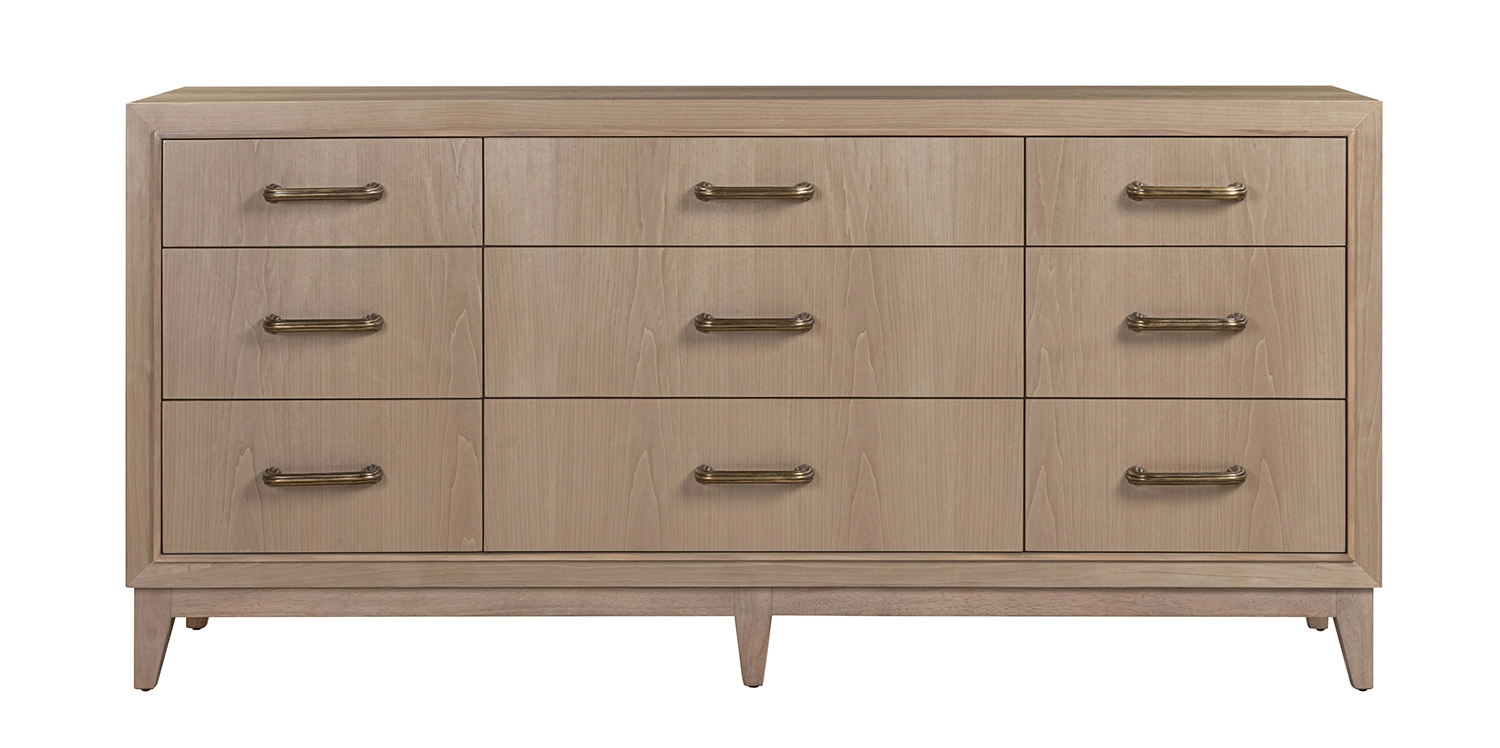
Similarly, the Chantal Dresser uses flowing walnut veneers that read cohesively across drawer fronts, creating surfaces that feel continuous and intentional, something the eye easily tracks and the hand naturally engages. We are enamored with the Champagne Walnut finish!
Nature as a Structural Influence
Nature influences furniture through proportion, material understanding, and performance under consistent use. Tables are scaled to support gathering without crowding. Cabinetry is sized for real storage needs. Materials are chosen for how they stand up to time and interaction.
In the dining room, the Aspen Round Dining Table shows how a radial veneer pattern and thoughtful shape support easy conversation and movement around the table. History and classic furniture lovers, you will appreciate its Duncan Phyfe table base accented with brass ferrules.
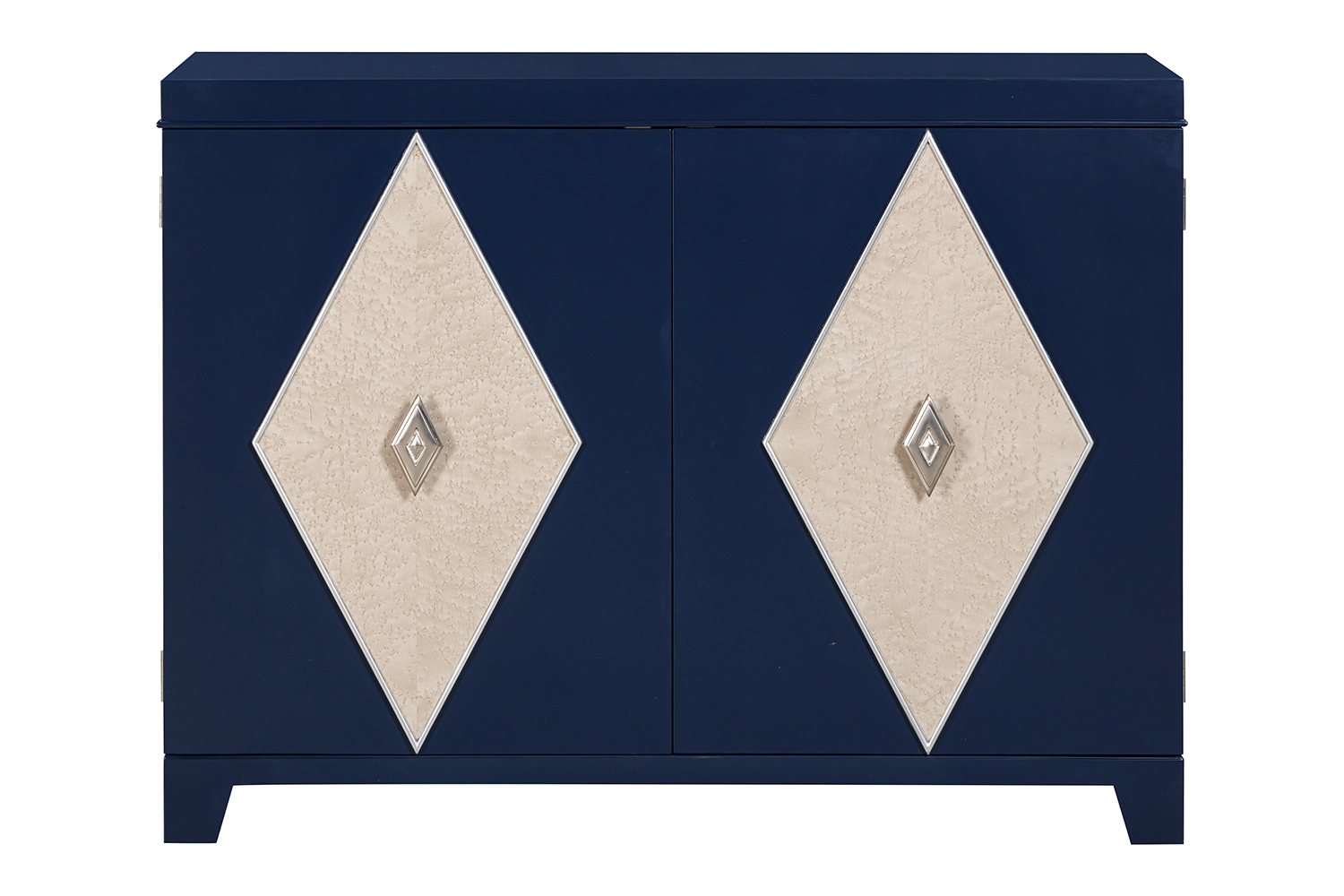
For storage, sideboards like the Sabrina Cabinet make a bold statement and provide a functionally unique piece for holding linens or serving pieces. The deep Adriatic blue is a favorite and the doors are highlighted by dyed Birdseye Maple veneers in a diamond pattern accented with custom hardware.
These design decisions reflect how people inhabit their homes. They cook, they gather, they pause. Furniture that responds to these needs supports comfort and ease throughout the day.
Spatial Balance and Flow
Many long-standing spatial systems recognize the relationship between furniture placement, movement, and well being. Feng shui is one example that emphasizes balance, circulation, and the unobstructed flow of energy through a space. At its core, feng shui encourages furniture layouts that allow rooms to feel open and navigable. Clear pathways, thoughtful spacing, and pieces that are scaled appropriately for their surroundings help reduce visual and physical congestion. When furniture is positioned to support movement rather than interrupt it, rooms feel easier to inhabit.
These ideas align closely with Alden Home’s approach to design. Tables are proportioned to allow comfortable circulation around them. Casegoods are sized to provide necessary storage without overwhelming a room. Storage pieces help contain essentials so surfaces remain composed.
In this way, furniture supports balance and ease through practical decisions rather than symbolic gestures. The result is a home that feels orderly, functional, and supportive of everyday life.
Reducing Daily Disruptions Through Design
One of the most overlooked contributors to daily tension is friction, the repeated inconvenience that turns small tasks into moments of annoyance.
Features such as soft close drawers can minimize these frictions and improve how a space feels in use, reducing noise and wear. At Alden Home, we ensure that all of our dressers and cabinetry include soft close drawers as a quality standard.
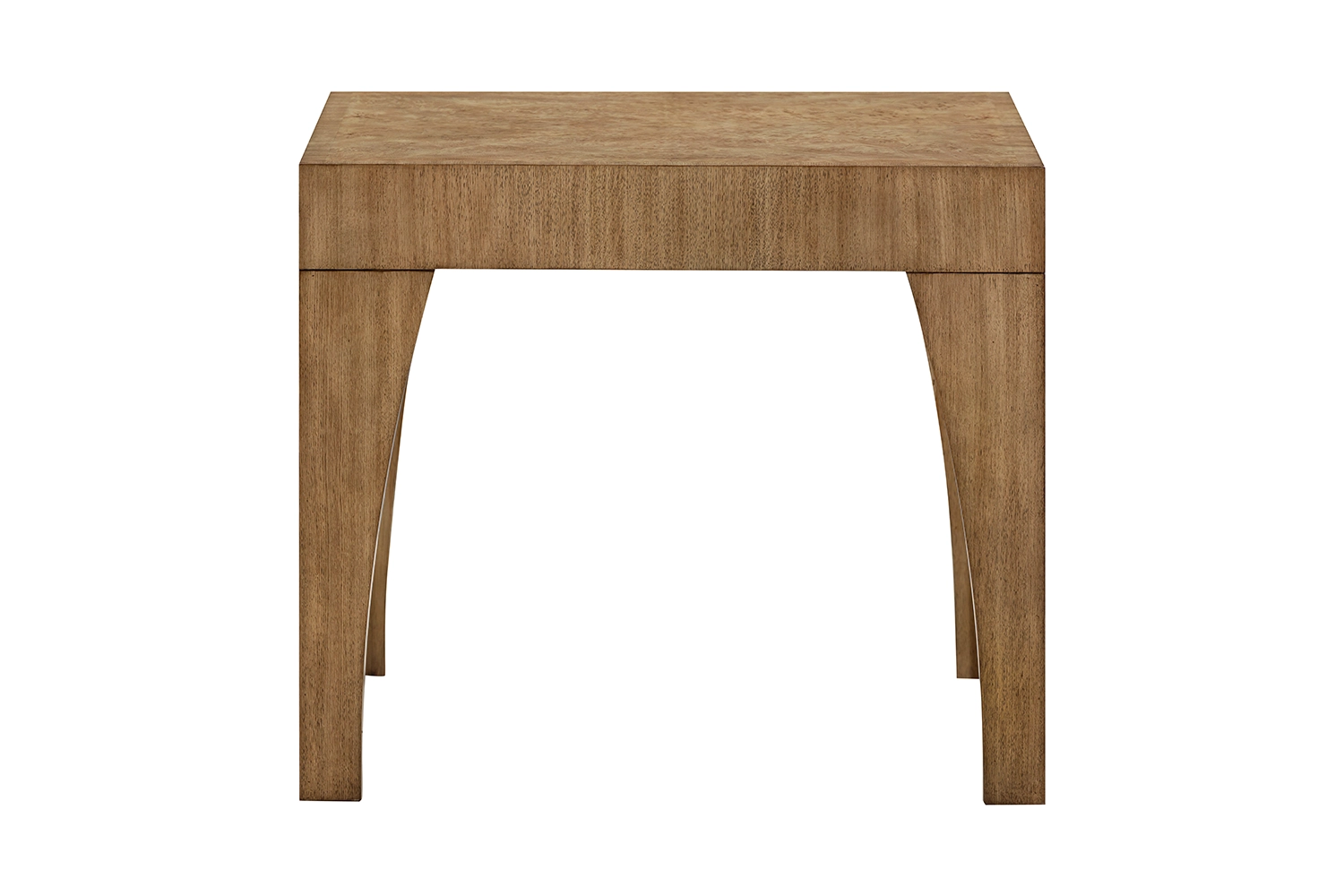
Also, end tables and cocktail tables like the ones found in our Kelsey Collection consider both scale and texture.
Not only does this invite everyday interaction but also encourages surfaces stay calm and rooms feel orderly with minimal effort. These decisions shape not just how a home functions, but how it feels to live in, physically and emotionally.

Creating Spaces That Encourage Pause
Calmer living is supported through repeated, reliable experiences more than one-off gestures.
A dresser that accommodates morning routines. A sideboard that promotes organization. A table that becomes a place for conversation, work, or creativity.
Furniture that supports these moments helps form the nooks and corners where people naturally slow down. The Hollingsworth Swivel Chair, for example, is designed to encourage relaxation and gentle movement, a seat that invites lingering rather than rushing away.

Furniture as a Framework for Living
A home is shaped less by individual pieces than by how those pieces are arranged and used over time. Furniture influences patterns of movement and use, shaping where circulation feels natural, where attention settles, and where the body instinctively pauses.
When furniture is designed with intention, it provides structure without rigidity. It allows life to unfold with fewer interruptions and fewer decisions competing for attention. The home becomes easier to inhabit because it is organized around use rather than display.
This is the role furniture plays at Alden Home. Each piece is considered as part of a larger system that supports how we live, move, and rest. The result is not a collection of objects, but a home environment that feels steady and supportive across the rhythms of everyday life.
